"Ich würde die Zusammenarbeit mit Proxify wirklich empfehlen, wenn Sie ein Produkt entwickeln, egal ob Sie ein komplett neues Team aufbauen oder ein bestehendes skalieren. Proxify hat dafür genau die richtigen Leute."

Europas größtes Entwicklernetzwerk
Mit uns finden Sie erfahrene und geprüfte Objective-C-Entwickler
Verschwenden Sie keine Zeit und kein Geld mehr für schlechte Entwickler, konzentrieren Sie sich lieber auf den Aufbau großartiger Produkte. Wir bringen Sie mit den besten 1% der freiberuflichen Objective-C-Entwickler, Berater, Ingenieure, Programmierer und Experten zusammen. Und das innerhalb von Tagen, nicht Monaten.
ISO 27001
Zertifiziert

Stellen Sie Objective-C-Entwickler schnell mit Proxify ein
Proxify hilft Unternehmen, geprüfte Objective-C-Entwickler schnell und mit geringerem Risiko zu engagieren. Wir haben Tech-Fachkräfte mit Start-ups ebenso wie mit internationalen Unternehmen wie Lufthansa, PwC und Education First zusammengebracht. Nur rund 1 % der Bewerber werden in unser Netzwerk aufgenommen, und 94 % der von uns vorgestellten Kandidaten werden erfolgreich vermittelt.
Alle Objective-C-Entwickler durchlaufen fünf Prüfungsstufen, darunter ein KI-gestütztes Screening, Englisch- und technische Assessments, ein Soft-Skills-Interview sowie ein technisches Live-Interview mit erfahrenen Senior Engineers.
Nach einem 25-minütigen Erstgespräch erhalten Sie innerhalb von durchschnittlich 2 Tagen eine handverlesene Shortlist passender Objective-C-Entwickler. Sie gehen keine Verpflichtung ein, bevor Sie einem Match zustimmen, es gibt keine langfristige Vertragsbindung, und Entwickler kann auf Wunsch direkt bei Ihnen angestellt werden.
Schnell einstellen mit Proxify
Rolle:
Mobile
Typ:
Programming Language
Beliebtheit:
Niedrig
Proxify-Gebühr:
Ab 31,90 €/h
Werden Sie in 2 Tagen gematcht
94 % unserer Matches führen zur Einstellung
Sprechen Sie noch heute mit einem Objective-C Einstellungsexperten
Der ultimative Einstellungsleitfaden: Finden und einstellen eines Top-Objective-C Experten
Talentierte Objective-C-Entwickler jetzt verfügbar

Artur K.
Mobile-Entwickler
Poland
Verifiziertes Mitglied seit 2025
14 Jahre Erfahrung
Artur ist ein erfahrener iOS-Entwickler mit 14 Jahren kommerzieller Erfahrung als Senior iOS Developer, Lead iOS Developer und Tech Lead während seiner gesamten Laufbahn.
Hoch qualifiziert in

Djuro A.
Senior iOS-Entwickler
Serbia
Verifiziertes Mitglied seit 2021
18 Jahre Erfahrung
Guru Mobil-Entwickler mit über 15 Jahren Berufserfahrung im iOS-Ökosystem bei Objective-C und Swift und umfassenden Kenntnissen bei React und React Native.
Hoch qualifiziert in

Mohamed K.
iOS-Entwickler
Italy
Verifiziertes Mitglied seit 2025
10 Jahre Erfahrung
Mohamed ist ein erfahrener iOS-Entwickler mit über 10 Jahren kommerzieller Erfahrung bei der Entwicklung hochwertiger und skalierbarer Mobilanwendungen. Er ist spezialisiert auf Swift, SwiftUI und reaktive Frameworks wie RxSwift und Combine, die moderne iOS-Architekturen anwenden, um wartbaren und effizienten Code zu erstellen.
Hoch qualifiziert in

Nicolas C.
iOS-Entwickler
France
Verifiziertes Mitglied seit 2025
10 Jahre Erfahrung
Nicolas ist ein erfahrener iOS-Entwickler mit fast zehn Jahren kommerzieller Erfahrung in Swift, UIKit und SwiftUI.
Hoch qualifiziert in

Konstantin S.
iOS-Entwickler
Germany
Verifiziertes Mitglied seit 2025
12 Jahre Erfahrung
Konstantin ist ein führender iOS-Entwickler mit über 15 Jahren Erfahrung, spezialisiert auf mobile Architektur, Sicherheit und Performance. Er verfügt über umfangreiche Expertise in den Bereichen Swift, Objective-C, UIKit und SwiftUI, die sichere, leistungsstarke Anwendungen in allen Bereichen der Fintech, Kommunikation und Veranstaltungstechnik anbieten.
Hoch qualifiziert in

Arbnor T.
Mobile-Entwickler
North Macedonia
Verifiziertes Mitglied seit 2022
8 Jahre Erfahrung
Guru-Entwickler von iOS-Apps mit mehr als sieben Jahren Erfahrung bei Objective-C und Swift.
Hoch qualifiziert in

Rajkumar S.
iOS-Entwickler
India
Verifiziertes Mitglied seit 2022
11 Jahre Erfahrung
Rajkumar Sharma ist ein pixelorientierter Mobile Developer mit mehr als zehn Jahren solider Erfahrung in der Erstellung mobiler Anwendungen unter nativem Einsatz von Swift/Objective-C und React Native.
Hoch qualifiziert in

Joe T.
Mobile-Entwickler
United Kingdom
Verifiziertes Mitglied seit 2023
11 Jahre Erfahrung
Joe ist ein leidenschaftlicher und zielstrebiger Softwareentwickler mit einem Jahrzehnt praktischer Erfahrung in der iOS-Entwicklung.
Hoch qualifiziert in
Artur K.
Mobile-Entwickler
Poland
Verifiziertes Mitglied seit 2025
14 Jahre Erfahrung
Artur ist ein erfahrener iOS-Entwickler mit 14 Jahren kommerzieller Erfahrung als Senior iOS Developer, Lead iOS Developer und Tech Lead während seiner gesamten Laufbahn.
Hoch qualifiziert in
Objective-C
iOS
Mobile
Swift
Jira
Der ultimative Einstellungsleitfaden: Finden und einstellen eines Top-Objective-C Experten
Drei Schritte zu Ihrem perfekten Objective-C-Entwickler
Wir kombinieren die Kompetenz unseres Fachteams mit einer eigens entwickelten KI. So können wir Ihnen binnen Tagen ideale Kandidaten vorstellen.
1
Gespräch vereinbaren
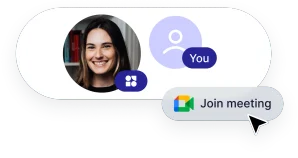
Erläutern Sie in einem 25-minütigen Gespräch Ihre Anforderungen. Anschließend finden wir perfekt passende Kandidaten.
2
Entwickler aussuchen
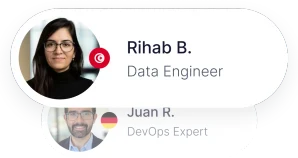
Im Schnitt dauert es nur 2 Tage, bis wir Ihnen handverlesene, sofort einsatzbereite Experten vorstellen. Sie können sofort ein Vorstellungsgespräch vereinbaren.
3
Gemeinsam loslegen
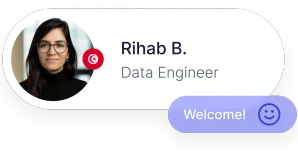
Integrieren Sie Ihre neuen Teammitglieder in maximal 2 Wochen. Den HR-Part übernehmen wir – Sie haben also freie Bahn.
Objective-C-Entwickler finden
Holen Sie fast ohne Wartezeit geprüfte Top-Experten in Ihr Team.
Warum Kunden Proxify vertrauen


"Wir können uns darauf verlassen, dass Proxify gute Ingenieure auswählt, die uns dabei helfen, den Prozess zu beschleunigen."


"Die Kandidaten, die über Proxify zu uns kommen, sind erstklassig."
Sorgfältig ausgewählte Profis mit langjähriger Erfahrung
Schluss mit den endlosen Lebenslauf-Stapeln. Unser Netzwerk umfasst 1 % der besten Software-Ingenieure aus über 1.000 Tech-Skills weltweit, mit durchschnittlich acht Jahren Erfahrung – sorgfältig geprüft und sofort einsatzbereit."
Bewerbungsprozess
Unser Prüfungsprozess gehört zu den strengsten der Branche. Jeden Monat bewerben sich über 20.000 Entwickler, um Teil unseres Netzwerks zu werden, aber nur etwa 2-3 % schaffen es. Wenn sich ein Kandidat bewirbt, wird er über unser Bewerbermanagementsystem bewertet. Dabei berücksichtigen wir Faktoren wie Berufserfahrung, Tech Stack, Honorar, Standort und Englischkenntnisse.
Screening-Interview
Die Kandidaten werden von einem unserer Recruiter zu einem ersten Gespräch eingeladen. Hier prüfen wir ihre Englischkenntnisse, sozialen Kompetenzen, technischen Fähigkeiten, Motivation sowie das Honorar und die Verfügbarkeit. Wir berücksichtigen außerdem das Verhältnis von Angebot und Nachfrage für ihre jeweiligen Kompetenzen und passen unsere Erwartungen entsprechend an.
Eignungstest
Im nächsten Schritt absolvieren die Kandidaten einen Eignungstest, der sich auf praxisnahe Programmieraufgaben und Fehlerbehebung konzentriert. Dabei gibt es ein Zeitlimit, um zu prüfen, wie die Kandidaten unter Druck arbeiten. Der Test ist so konzipiert, dass er die Arbeit widerspiegelt, die sie später bei Kunden leisten werden. So wird sichergestellt, dass sie über die erforderliche Expertise verfügen.
Live-Coding
Kandidaten, die den Eignungstest bestehen, gehen zu einem technischen Interview über. Dieses umfasst Live-Coding-Übungen mit unseren erfahrenen Entwicklern, bei denen sie Lösungen für vorgegebene Probleme finden müssen. Hierbei werden ihre technischen Fertigkeiten, Problemlösungsfähigkeiten sowie ihr Umgang mit komplexen Aufgaben intensiv geprüft.
Mitglied bei Proxify
Wenn ein Kandidat in allen Schritten überzeugt, laden wir ihn dazu ein, dem Proxify Netzwerk beizutreten.

"Qualität ist für uns das A und O. Unser umfassender Auswahlprozess stellt sicher, dass nur die besten 1 % der Entwickler dem Proxify Netzwerk beitreten. So erhalten unsere Kunden stets die besten Talente."
Stoyan Merdzhanov
VP Assessment
Stellen Sie Ihr Dream Team zusammen

Petar Stojanovski
Client Engineer


 +40
+40 Sieht sich Ihre technischen Herausforderungen im Detail an; hilft Ihnen, genau passende Entwickler zu finden, die auch schwierige Probleme schnell lösen werden.

Raphaela Müntzing
Client Manager DACH
Unterstützt Sie langfristig bei allem, was mit Onboarding, Personalverwaltung zu tun hat.
Unser Service ist maßgeschneidert – deshalb finden wir genau die richtigen Entwickler für Sie.
How to hire Objective-C Developers in 2026
Industries & applications
As many developers will tell you, Objective-C has been a pillar in the development landscape for many years, offering a robust and mature environment for building a wide range of applications, predominantly for macOS and iOS platforms. This object-oriented programming language brought a new depth to C, adding messaging and runtime reflection, which are crucial for today's dynamic applications.
Objective-C is a resilient language that has stood the test of time.
What sets Objective-C apart is its deep integration and history with Apple’s ecosystem. It enables developers to build highly efficient yet sophisticated applications with a well-established base of tools and community resources. It is a language that embraces simplicity and power, providing a fertile ground for experienced developers to craft intricate solutions.
Objective-C was developed in the early 1980s, standing as a critical component in Apple's development ecosystem until Swift took center stage. Despite this, it remains a popular choice for maintaining existing applications and leveraging a substantial legacy of frameworks and libraries.
"Objective-C's primary strength lies in its mature, stable, and tested frameworks, which allow developers to build secure and robust applications. Moreover, it offers interoperability with C and Swift, facilitating transition and co-existence in complex projects.
Objective-C continues to hold a place in the developer community, supporting legacy projects and offering a deep well of resources and knowledge. According to the Stack Overflow Developer Survey 2023, many developers still prefer Objective-C for its stability and robustness, especially when dealing with large-scale and legacy projects.
Industries & applications
Objective-C is pivotal in sustaining legacy systems across numerous industries, including finance, healthcare, telecommunications, and more. It plays a crucial role in the tech infrastructures of eCommerce platforms, enterprise software solutions, and gaming industries. Despite being superseded by Swift for new projects, it remains indispensable in managing and updating the foundational systems of various business domains.
Must have technical skills for Objective-C Developers
Look for the following skills and technical abilities in your Objective-C candidates' resumes:
- Proficiency in Objective-C language syntax and structure.
- Experience working with frameworks such as UIKit and Foundation.
- Strong understanding of memory management, including Automatic Reference Counting (ARC).
- Skills in working with Objective-C runtime, including a deep understanding of categories, protocols, and selectors.
- Familiarity with design patterns such as MVC, Singleton, and Delegate.
Nice-to-have technical skills for Objective-C Developers
Here is what will set apart the real diamonds in the rough from everyone else in your pool of candidates:
- Experience with Swift and being able to work in a mixed-code base.
- Knowledge of continuous integration and continuous deployment (CI/CD) pipelines.
- Familiarity with unit testing and UI testing in Xcode.
- Knowledge of Apple's Human Interface Guidelines for crafting user-centric designs.
Interview questions and their expected answers
Here are some essential questions you can ask your candidates during the interview. We also answered them for you so you know what kind of answer to expect and vet their capabilities accordingly.
1. Question: Can you explain what Automatic Reference Counting (ARC) is?
Answer: ARC is a compiler feature that provides automatic memory management of Objective-C objects, effectively helping to manage the memory usage of an application reducing the need for manual memory management through retain and release.
2. Question: What is the difference between a class method and an instance method in Objective-C?
Answer: A class method is associated with the class itself and can be called on the class, whereas an instance method is associated with an instance of the class and can only be called on an instance of the class.
3. Question: Can you describe what a category is in Objective-C?
Answer: A category allows developers to add methods to existing classes without modifying the original class, promoting code reusability and organization.
4. Question: What is the significance of the @synthesize directive in Objective-C?
Answer: The @synthesize directive generates setter and getter methods for properties. This is done to access instance variables in a class. Before the advent of the modern Objective-C runtime, developers needed to synthesize properties explicitly, but now it's often done automatically.
5. Question: Can you explain what blocks are and how they are used in Objective-C?
Answer: Blocks are a type of anonymous function or closure in Objective-C. They can capture and store references to variables from the surrounding context, making them a useful tool for creating lightweight, reusable chunks of code. Blocks are often used as callbacks or to encapsulate small units of work that will be executed concurrently or later.
6. Question: What is the difference between @interface and @implementation in Objective-C?
Answer: @interface is used to declare the class interface, which includes the properties and methods that can be used publicly. On the other hand, @implementation defines the actual implementation of the class, containing the code for the methods declared in the @interface.
7. Question: What is the significance of the dealloc method in Objective-C?
Answer: The dealloc method is used to deallocate the memory occupied by an object. Before Automatic Reference Counting (ARC) was introduced, developers needed to override dealloc to release the memory of instance variables and to relinquish ownership of other objects. With ARC, the dealloc method is less commonly overridden, but it may still be necessary to release resources other than memory.
8. Question: What is Key-value coding (KVC), and how is it used in Objective-C?
Answer: Key-value coding is a mechanism by which an object's properties can be accessed using string identifiers at runtime instead of having to know the property names at compile time statically. This feature adds dynamism and flexibility, allowing for more generic code and data-driven behaviors.
9. Question: Explain the Model-View-Controller (MVC) design pattern and how it applies to Objective-C programming.
Answer: The Model-View-Controller (MVC) design pattern separates an application into three interconnected components: the Model (data), the View (user interface), and the Controller (logic). In Objective-C, MVC is a foundational design pattern that helps organize code in a clean, modular, and understandable way, facilitating the separation of concerns.
10. Question: What are protocols in Objective-C, and why are they important?
Answer: Protocols in Objective-C define a blueprint of methods, properties, and other requirements for a particular task or functionality. They allow classes to adopt and conform to these blueprints, facilitating a form of multiple inheritances in a language that doesn’t support it directly. Protocols are crucial for defining expected behaviors and ensuring different classes can work together predictably.
Business benefits of Objective-C/iOS
If you and your team are wondering why exactly your next projects need to be built on Objective-C or its parent technology, iOS, here are some of the main benefits these technologies bring.
- Stability: Objective-C benefits from decades of use, resulting in a stable and mature language for app development. * Rich libraries: It has a rich set of well-tested libraries and frameworks, aiding faster development cycles.
- Legacy project maintenance: It is indispensable in maintaining and updating legacy projects, ensuring the longevity and functionality of older applications.
Qualifications and skills an Objective-C Developer must have
So, what have we learned? Probably, that the vetting and testing of Objective-C developers isn't a piece of cake. You also learned that your search will take longer if a project is more demanding and you need a veteran developer. And we can help you with matching you with a skilled Objective-C developer in only two days.
However, if you still want to do it the more challenging way and hire a developer internally, always look for:
- Experience: Hands-on experience working with Objective-C, ideally evidenced through a portfolio of projects.
- Object-oriented programming: A deep understanding of object-oriented programming concepts and the ability to apply them effectively while writing Objective-C code.
- SOLID Principles: Familiarity with SOLID principles to craft maintainable and robust software architectures.
- Problem-solving skills: Strong analytical and problem-solving skills to troubleshoot and optimize existing codebases.
- Collaborative skills: Ability to work well in a team, leveraging knowledge of version control systems and other collaborative tools.
- Eye for design: A discerning eye for "pixel-perfect" design, ensuring the end product aligns seamlessly with the design specifications and provides an exceptional user experience.
Einen Objective-C-Entwickler einstellen?
Objective-C-Entwickler finden
Handverlesene Objective-C Experten mit nachweisbaren Erfolgen, denen weltweit Unternehmen vertrauen.
Verifizierter Autor
Wir arbeiten ausschließlich mit Spitzenkräften. Unsere Autoren und Gutachter sind sorgfältig geprüfte Branchenexperten aus dem Proxify-Netzwerk, die sicherstellen, dass jedes Stück Inhalt präzise, relevant und tief in Fachwissen verwurzelt ist.

Berkin Sili
Client Engineering Manager & Mobiler Ingenieur
Berkin ist ein leitender Software-Ingenieur, der sich auf die Entwicklung mobiler Geräte spezialisiert hat und sich dafür einsetzt, innovative Unternehmen mit erstklassigen Entwicklern zusammenzubringen. Mit einer starken Leidenschaft für die Entwicklung wirkungsvoller Anwendungen arbeitete er an Produkten in den Bereichen Sicherheit, E-Commerce, IPTV, Edtech, Blockchain und Gaming als Mobil- und Fullstack-Ingenieur.
Verwandte Artikel
Haben Sie eine Frage zur Einstellung eines Objective-C-Entwickler?
Erforsche mehr Fähigkeiten
Rolle
Software-Produktentwicklung
Cloud und Infrastruktur
Qualitätssicherung
Design
2.500 internationale Unternehmen vertrauen uns